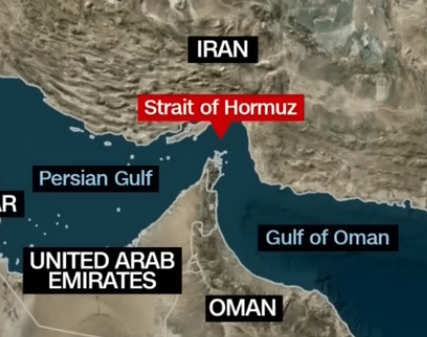
While the mullahs in Tehran are busy dodging bunker-busters, President Trump just dropped a economic haymaker on another so-called ally that’s been playing games with our energy security. We’re talking about that dusty old insurance racket in London that’s been holding the world’s oil flow hostage for centuries. Trump saw the Strait of Hormuz turning into a ghost town, with tankers idling like scared cats because premiums skyrocketed or coverage vanished altogether. His fix? America steps in, insures the whole damn fleet on the cheap, and throws in Navy escorts for good measure. It’s classic Trump: bold, brash, and putting America First while the Brits clutch their pearls. But does this one move torpedo the entire British economy? Let’s break it down without the weepy excuses from across the pond.
The Gulf Grinds to a Halt: Chaos in the Chokepoint
Flash back to late February 2026, when the fireworks really kicked off. Israel and the U.S. lit up Iranian targets like a Fourth of July barbecue, and Tehran fired back with missiles and drones that turned the Persian Gulf into a no-go zone. The Strait of Hormuz—that skinny 21-mile bottleneck handling about 20 percent of global oil and a chunk of liquefied natural gas—suddenly looked like a death trap for shipping. Tankers stacked up, with reports of up to 3,200 vessels trapped inside the Gulf, unable to exit without risking a fiery end.
Insurance costs exploded. War-risk premiums jumped fivefold in days, hitting 12 times normal levels in some cases. Ships linked to the U.S., UK, or Israel got slapped with triple the rates, while others faced blanket refusals. Without coverage, no captain in his right mind would sail through. Global energy prices spiked, threatening to jack up everything from gas pumps to grocery bills. It wasn’t just Iran’s threats choking the flow—it was the insurance pullback that froze commerce cold. By early March, the situation was dire: oil above $83 a barrel, and whispers of a full-blown supply crisis that could drag on for months.
Trump’s Power Play: Uncle Sam to the Rescue
Enter Donald J. Trump, who wasn’t about to let some pinstriped pencil-pushers dictate America’s energy fate. On March 3, 2026, he fired off orders for the U.S. International Development Finance Corporation to roll out political risk insurance for all maritime trade through the Gulf—especially energy—at rock-bottom prices. We’re talking guarantees that keep the tankers moving without bankrupting shipowners. And for extra muscle? The U.S. Navy stands ready to escort them through the strait, turning potential targets into fortified convoys.
By March 6, the administration upped the ante with a $20 billion insurance program, effectively bypassing the old guard and ensuring the free flow of oil. No more waiting on foreign markets to get their act together. This wasn’t charity; it was strategic genius. Oil prices pulled back slightly on the news, and tankers started queuing up for American-backed coverage. It’s Reagan’s 1987 tanker escorts on steroids—protecting global supply while flexing U.S. dominance. America First means we don’t beg for permission; we provide the solutions and rake in the wins.
The London Squeeze: A Hit to the Heart of the Empire
Now, let’s talk about the real casualty here: that venerable insurance hub in London that’s been lording over global shipping since the 1600s. It handles about 40 percent of worldwide marine cargo risks and pumps over $40 billion into the UK economy annually, supporting around 50,000 jobs. That’s roughly 2 percent of Britain’s GDP—not chump change in a nation already staggering from post-Brexit blues and energy woes.
Trump’s move yanks the rug out. With U.S. guarantees online, why pay inflated premiums or risk denial? Shipowners aren’t dummies; they’ll flock to the cheaper, more reliable option backed by the world’s mightiest navy. Reports from March 5 show London insurers scrambling, widening high-risk zones and hiking rates, but the damage is done. Capacity’s still there, but confidence? Shaken. This isn’t just a temporary dip—it’s a paradigm shift. The old empire’s geopolitical leverage, using insurance as a quiet weapon, just got neutralized. Britain wakes up to a world where America calls the shots on trade security.
Sink or Swim: Can This Alone Drown the British Economy?
Here’s the million-dollar question: Does Trump’s tanker triumph single-handedly capsize the UK? Short answer: Hell no. Britain’s economy is a $3 trillion beast, diversified across finance, tech, manufacturing, and services. Losing ground in marine insurance stings—maybe shaves off a few billion in revenue and jobs—but it’s not the iceberg that sinks the Titanic. The real threat to the UK comes from the broader fallout: sustained high energy prices from Gulf disruptions could add 20 to 40 percent to bills, fueling inflation and slowing growth. The Office for Budget Responsibility warned on March 3 that prolonged conflict hits importers like Britain hard, potentially trimming GDP by a noticeable chunk over 2026.
That said, Trump’s play accelerates the pain. If American insurance sticks—and why wouldn’t it, with Navy backup?—London’s market share erodes long-term. Add in stranded tankers jacking up logistics costs, and you’ve got a recipe for economic heartburn. But sink the whole economy? Not by itself. Britain’s got bigger fish to fry, like their own wobbly leadership and reliance on imported energy. This is more like a gut punch than a knockout blow.
America First: Winning While the World Watches
In the end, Trump’s masterstroke isn’t about burying Britain—it’s about burying weakness. By insuring the Gulf fleet and deploying escorts, he’s stabilized global energy, protected American interests, and reminded everyone who’s boss. No more kowtowing to foreign cartels or timid insurers. The mullahs lose, the markets breathe easier, and America thrives. If the Brits are smart, they’ll adapt instead of whining. But hey, that’s their problem. We’re too busy making the world great again—one tanker at a time.